Synthetic PP Labels: Advantages, Disadvantages & Material Quality Guide
Synthetic Labels (PP Labels): Advantages, Disadvantages, and Why Material Quality Matters
Understanding Synthetic Labels (PP Labels)
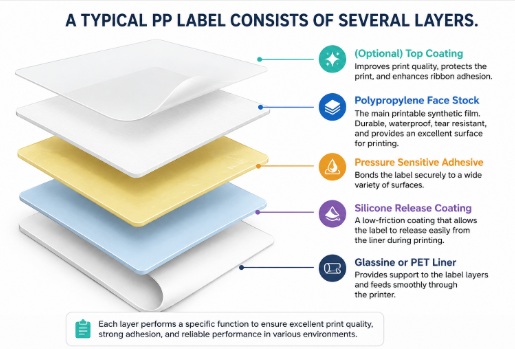
Synthetic labels, commonly known as PP Labels (Polypropylene Labels), have become one of the most popular labeling solutions across industries such as retail, logistics, manufacturing, healthcare, laboratories, warehousing, food packaging, and asset tracking. Unlike traditional paper labels, PP labels are manufactured from a plastic-based material that provides superior durability and resistance to environmental conditions.
As businesses increasingly demand labels that can withstand moisture, handling, chemicals, and temperature variations, PP labels continue to replace standard paper labels in many applications.
However, not all PP labels are created equal. There is a significant difference between low-cost generic materials and premium branded materials produced by established manufacturers. Understanding these differences can help businesses reduce costs, improve operational efficiency, and avoid labeling failures.
What Are PP Labels?
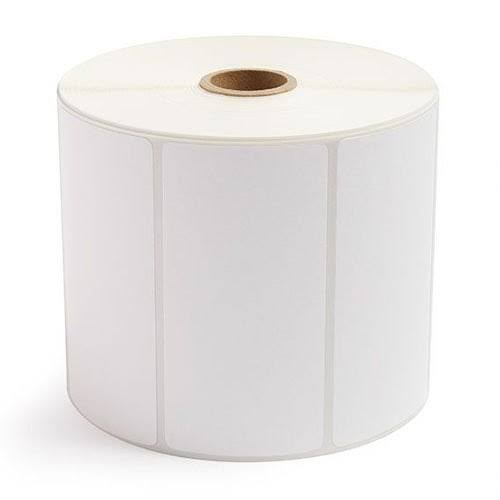
PP (Polypropylene) labels are synthetic labels manufactured using polypropylene film rather than paper. They are commonly available in:
- White PP Labels
- Transparent PP Labels
- Silver PP Labels
- Colored PP Labels
- Matte PP Labels
- Gloss PP Labels
These labels are designed to provide a professional appearance while offering greater durability than conventional paper labels.
PP labels can be printed using:
- Thermal Transfer Printers
- Conventional Printing Presses
- UV Printing Systems
- Digital Printing Equipment
When used with the correct ribbon, thermal transfer printed PP labels can achieve excellent durability and long-lasting print quality.
Advantages of Synthetic PP Labels
1. Water Resistance
One of the biggest advantages of PP labels is their resistance to water and moisture.
Unlike paper labels that absorb water and become damaged, PP labels remain intact even when exposed to:
- Humid environments
- Refrigerated storage
- Outdoor conditions
- Condensation
This makes them ideal for food products, cold storage, and industrial applications.
2. Tear Resistance
Paper labels can easily tear during handling.
PP labels offer significantly higher tear resistance, making them suitable for:
- Warehouse operations
- Shipping labels
- Inventory labels
- Product identification labels
Their flexibility and strength help maintain label integrity throughout the product lifecycle.
3. Better Appearance
Synthetic labels provide a cleaner and more professional look.
Benefits include:
- Smooth surface finish
- Consistent printing quality
- Premium product presentation
- Better color reproduction
Many premium consumer products use PP labels because of their attractive appearance.
4. Chemical Resistance
PP labels can withstand exposure to:
- Cleaning chemicals
- Oils
- Grease
- Mild solvents
This makes them suitable for industrial and laboratory environments.
5. Longer Lifespan
Compared to standard paper labels, PP labels generally last much longer.
They resist:
- Fading
- Surface wear
- Environmental damage
This results in fewer label replacements and reduced maintenance costs.
6. Suitable for Outdoor Applications
Certain PP materials can tolerate limited outdoor exposure.
Applications include:
- Asset identification
- Equipment labeling
- Industrial signage
- Utility markings
For extended outdoor exposure, polyester labels may provide even greater durability.
Disadvantages of Synthetic PP Labels
While PP labels offer many benefits, they also have some limitations.
1. Higher Cost
PP labels are more expensive than standard paper labels.
The additional cost comes from:
- Synthetic material construction
- Specialized manufacturing processes
- Improved durability characteristics
However, the longer lifespan often offsets the initial investment.
2. Ribbon Requirement
For thermal transfer printing, PP labels typically require:
- Wax-Resin Ribbon
- Resin Ribbon
Using ordinary wax ribbons may lead to reduced durability and poor resistance to scratching.
3. Not as Durable as Polyester
Although PP labels are highly durable, they are generally less resistant than polyester labels when exposed to:
- Harsh chemicals
- Extreme temperatures
- Long-term outdoor conditions
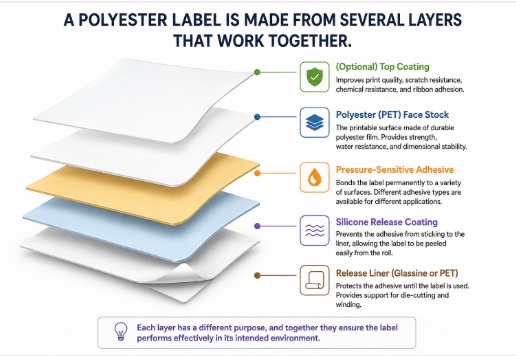
Applications requiring maximum durability may benefit from PET (Polyester) labels instead.
4. Surface Scratching
Lower-grade PP materials may scratch more easily than premium branded materials.
This becomes particularly noticeable in high-contact industrial environments.
Difference Between Regular PP Material and Branded PP Material
Many buyers focus only on price when purchasing labels. However, material quality significantly affects performance.
Regular Generic PP Labels
Low-cost generic materials are widely available in the market.
Characteristics include:
- Lower manufacturing standards
- Inconsistent coating quality
- Variable adhesive performance
- Reduced print quality
- Shorter lifespan
While these labels may appear similar initially, performance issues often emerge after installation.
Common problems include:
- Adhesive failure
- Edge lifting
- Surface scratching
- Poor ribbon adhesion
- Inconsistent thickness
Premium Branded PP Labels
Branded materials are produced by established manufacturers using strict quality controls.
Advantages include:
- Consistent material thickness
- Superior coatings
- Better adhesive formulations
- Improved print receptivity
- Enhanced durability
Premium materials often provide:
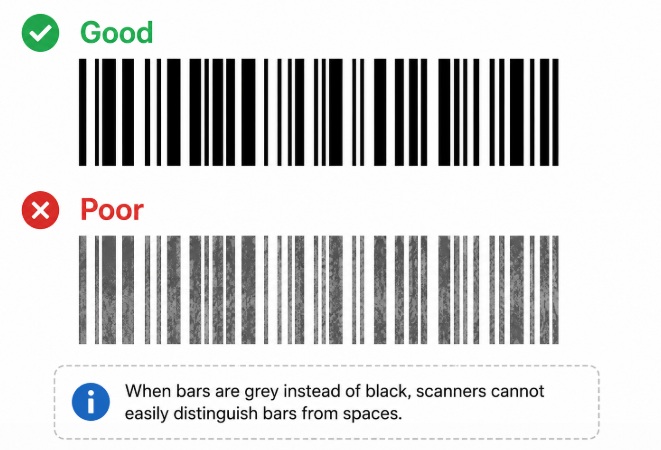
- Better barcode readability
- Longer service life
- Improved appearance
- Reduced printer wear
- Higher production consistency
For businesses relying on barcode scanning and inventory management, these benefits can significantly improve operational efficiency.
Adhesive Quality Makes a Difference
The adhesive is often more important than the face material itself.
Premium branded labels generally use higher-quality adhesives that provide:
- Stronger bonding
- Better temperature resistance
- Improved aging characteristics
- Greater consistency
Low-cost materials may experience:
- Labels peeling off prematurely
- Adhesive residue
- Poor performance on difficult surfaces
Selecting the correct adhesive is critical for long-term label performance.
Impact on Thermal Printheads
Many users overlook how label quality affects thermal printheads.
Low-quality labels may contain:
- Excess dust
- Poor coatings
- Inconsistent surfaces
These issues can contribute to:
- Printhead contamination
- Reduced print quality
- Increased maintenance
- Shorter printhead life
Premium label materials generally produce less debris and offer smoother printing performance.
This can reduce printer downtime and maintenance costs.
Best Applications for PP Labels
PP labels are commonly used for:
Retail Products
- Product labels
- Price labels
- Promotional labels
Warehousing
- Shelf labels
- Inventory labels
- Location labels
Logistics
- Shipping labels
- Carton labels
- Tracking labels
Healthcare
- Sample identification
- Laboratory labels
- Medical product labeling
Manufacturing
- Work-in-progress labels
- Product identification
- Compliance labels
Choosing the Right PP Label
When selecting synthetic labels, consider:
- Application environment
- Required lifespan
- Exposure to moisture
- Chemical resistance requirements
- Printing method
- Adhesive requirements
- Budget considerations
For short-term indoor applications, economical PP materials may be sufficient.
For mission-critical applications involving barcode scanning, asset tracking, or product identification, premium branded materials often deliver better long-term value.
Conclusion
Synthetic PP labels offer a substantial upgrade over traditional paper labels. Their water resistance, durability, professional appearance, and long service life make them suitable for a wide range of commercial and industrial applications.
However, not all PP labels provide the same level of performance. The difference between generic and premium branded materials can significantly affect print quality, adhesive performance, durability, and overall operational costs.
While premium materials may have a higher initial cost, they often deliver superior reliability, better barcode performance, reduced printer maintenance, and longer service life. For businesses that depend on accurate labeling and efficient operations, investing in quality synthetic PP labels is often the most cost-effective decision in the long run.
Looking for Synthetic (PP) thermal labels?