What Is Synthetic Label?
What Is Synthetic Label?
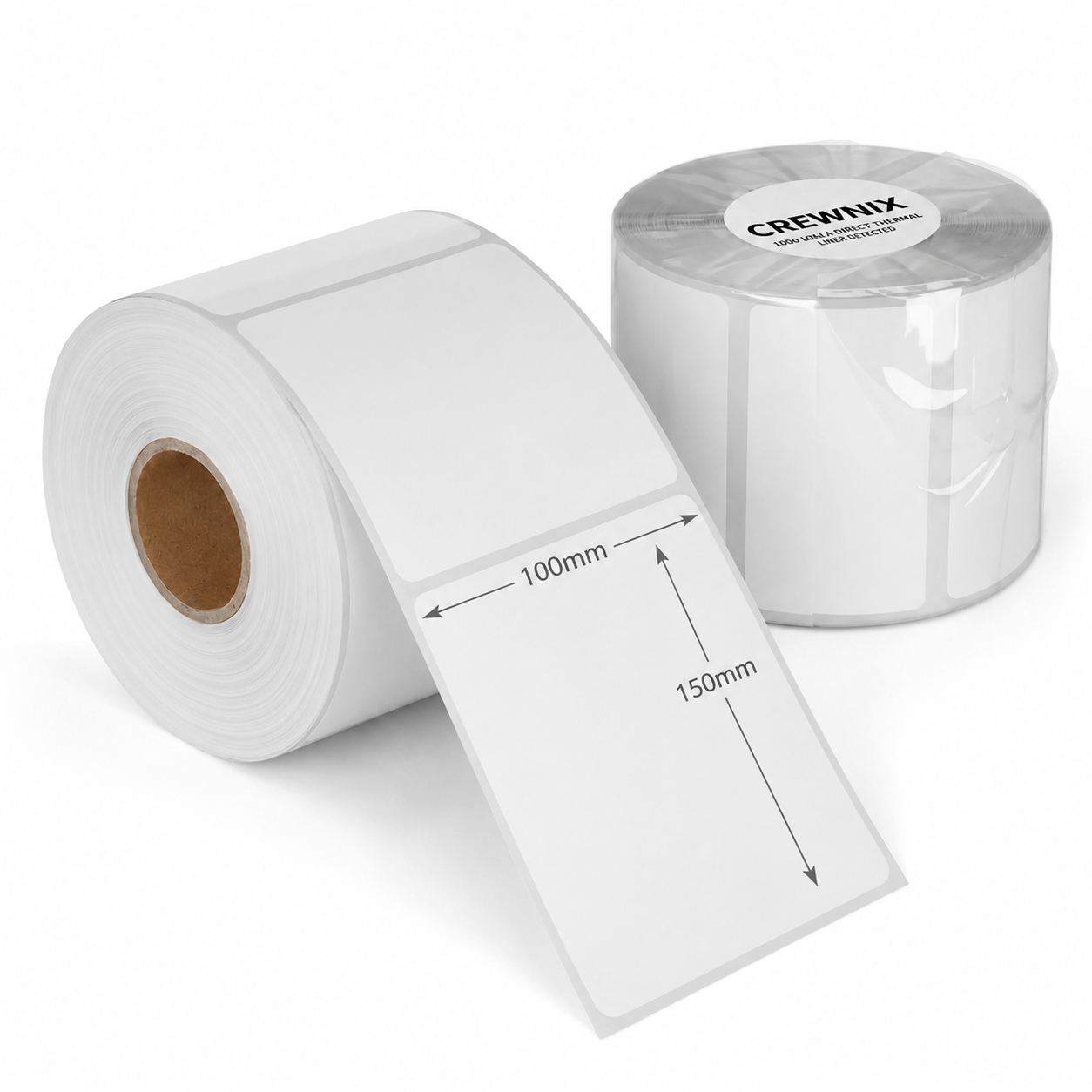
A synthetic label is a label made from plastic-based materials instead of paper. These materials provide excellent resistance to water, chemicals, abrasion, UV light, and tearing, making synthetic labels ideal for harsh environments where ordinary paper labels would fail.
Unlike paper labels, synthetic labels remain readable and firmly attached even when exposed to moisture, oils, cleaning agents, or outdoor conditions.
What Are Synthetic Labels Made Of?
Synthetic labels are manufactured from various plastic films, each designed for different applications.
|
Material |
Common Name |
Characteristics |
|
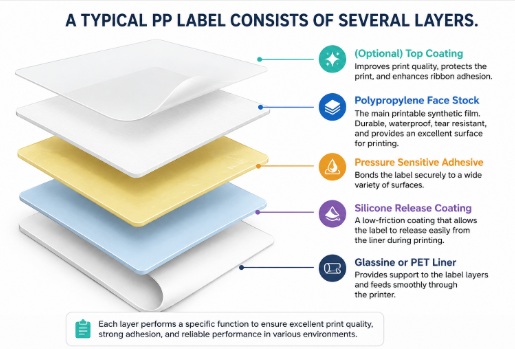
Polypropylene |
PP |
Flexible, waterproof, economical |
|
Polyethylene |
PE |
Soft, squeezable, conforms to curved surfaces |
|
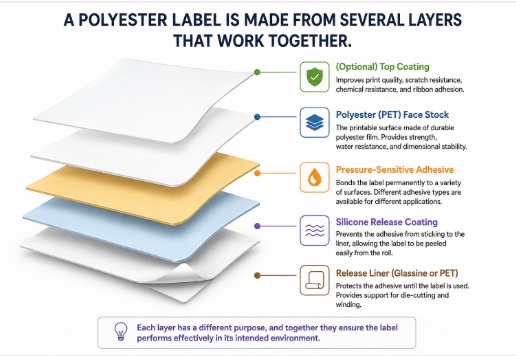
Polyester |
PET |
Very durable, high temperature resistant |
|
Polyimide |
PI (Kapton) |
Extreme heat resistance |
|
Vinyl |
PVC |
Outdoor signage and graphics |
Among these, Polypropylene (PP) is the most widely used material for barcode and logistics labels because it offers an excellent balance between durability and cost.
Why Choose Synthetic Labels?
Compared with paper labels, synthetic materials offer many advantages.
Water Resistant
Synthetic labels do not absorb water.
Perfect for:
- Refrigerators
- Freezers
- Food packaging
- Laboratories
Tear Resistant
Paper tears easily.
Synthetic labels stretch before tearing, making them much more durable.
Chemical Resistant
Many synthetic materials resist:
- Alcohol
- Cleaning chemicals
- Oils
- Grease
- Mild solvents
This makes them popular in industrial environments.
Long Outdoor Life
Synthetic labels resist:
- Rain
- UV sunlight
- Humidity
- Dust
Paper labels quickly deteriorate outdoors.
Better Durability
They resist:
- Scratches
- Abrasion
- Frequent handling
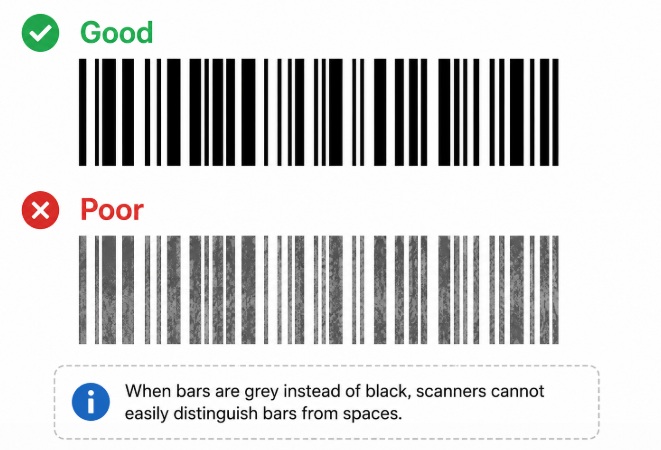
This is especially important for barcode labels that must remain readable.
Paper Label vs Synthetic Label
|
Feature |
Paper Label |
Synthetic Label |
|
Water Resistance |
Poor |
Excellent |
|
Tear Resistance |
Poor |
Excellent |
|
Chemical Resistance |
Low |
High |
|
Outdoor Use |
Limited |
Excellent |
|
Barcode Life |
Moderate |
Long |
|
Cost |
Lower |
Higher |
Common Types of Synthetic Labels
Polypropylene (PP)
The most popular synthetic material.
Advantages:
- Waterproof
- Good print quality
- Flexible
- Economical
- Suitable for thermal transfer printing
Typical uses:
- Product labels
- Retail labels
- Cosmetic labels
- Logistics labels
- Warehouse labels
Polyester (PET)
PET labels are stronger than PP.
Advantages:
- High temperature resistance
- Excellent chemical resistance
- Extremely durable
- Dimensional stability
Applications:
- Asset tags
- Rating plates
- Electrical equipment
- Industrial machinery
- Automotive parts
Polyethylene (PE)
PE is softer and more flexible.
Ideal for:
- Curved bottles
- Cosmetic containers
- Shampoo bottles
- Squeeze bottles
Polyimide (Kapton)
Designed for extremely high temperatures.
Used in:
- PCB manufacturing
- Electronics
- Semiconductor production
Some polyimide labels withstand temperatures exceeding 300°C.
Which Ribbon Should Be Used?
Most synthetic labels require a thermal transfer ribbon.
|
Label Material |
Recommended Ribbon |
|
PP |
Wax-Resin |
|
PET |
Resin |
|
PE |
Wax-Resin or Resin |
|
Polyimide |
Resin |
Using ordinary wax ribbons on synthetic materials often results in poor durability because the print can scratch or rub off easily.
Common Applications
Synthetic labels are widely used in:
- Product identification
- Barcode labels
- Warehouse shelving
- Asset management
- Inventory control
- Laboratory sample identification
- Pharmaceutical products
- Chemical containers
- Electronics manufacturing
- Outdoor equipment
- Automotive parts
- Food and beverage packaging
Advantages
✓ Waterproof
✓ Tear resistant
✓ Chemical resistant
✓ Long-lasting barcode quality
✓ UV resistant
✓ Excellent print durability
✓ Suitable for refrigeration and freezing
✓ Professional appearance
Disadvantages
- More expensive than paper labels
- Usually requires thermal transfer printing for maximum durability
- Some materials need resin ribbons, which are more expensive
Are Synthetic Labels Direct Thermal?
Usually no.
Most synthetic labels are designed for thermal transfer printing because it produces much more durable images.
Although direct thermal synthetic materials do exist, they are less common and are typically used for specialized applications.
How Long Do Synthetic Labels Last?
Their lifespan depends on the material and environment.
|
Material |
Typical Indoor Life |
|
PP |
3–7 years |
|
PET |
5–10+ years |
|
Polyimide |
10+ years |
Outdoor life varies depending on UV exposure, adhesives, and weather conditions.
Frequently Asked Questions
Are synthetic labels waterproof?
Yes. Most synthetic labels are waterproof because the face material is plastic rather than paper.
Can I print synthetic labels with a desktop barcode printer?
Yes. Most thermal transfer desktop printers can print synthetic labels when paired with the appropriate ribbon.
Are synthetic labels more expensive?
Yes. They typically cost more than paper labels because of their enhanced durability and resistance.
Which synthetic material is best?
- PP: Best overall value for general-purpose labeling.
- PET: Best for industrial and asset labeling.
- PE: Best for flexible packaging.
- Polyimide: Best for extreme heat environments.
Conclusion
Synthetic labels are the preferred choice whenever labels need to withstand moisture, chemicals, abrasion, or outdoor exposure. While they are more expensive than paper labels, their longer lifespan and improved reliability often make them the more cost-effective option over time.
For most businesses, polypropylene (PP) offers the best balance of durability and affordability, while polyester (PET) is ideal for demanding industrial applications where maximum resistance is required.