What Is an NFC Card and How Does It Work ?
Introduction: The Invisible Thread Connecting Our Physical and Digital Worlds
Near Field Communication (NFC) technology has quietly revolutionized how we interact with our environment. From tapping your smartphone at a payment terminal to launching a website by tapping your phone against a sleek business card, NFC is everywhere.
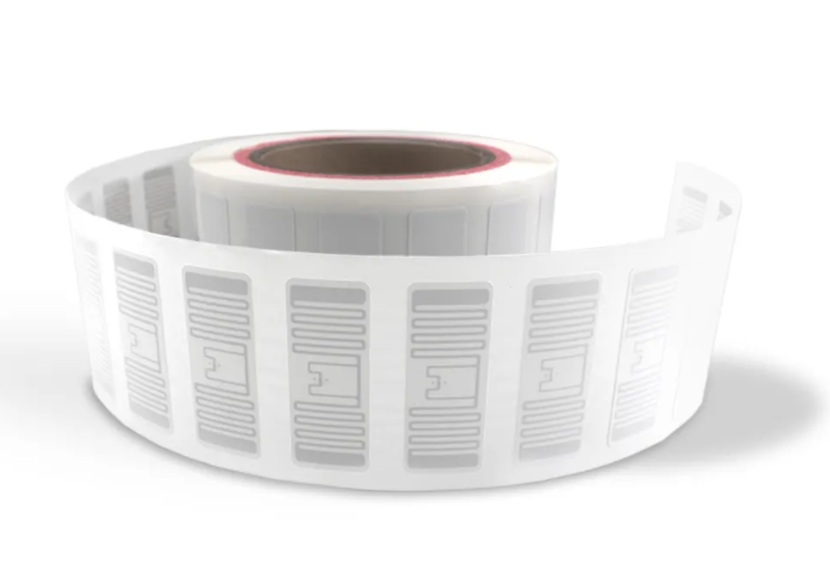
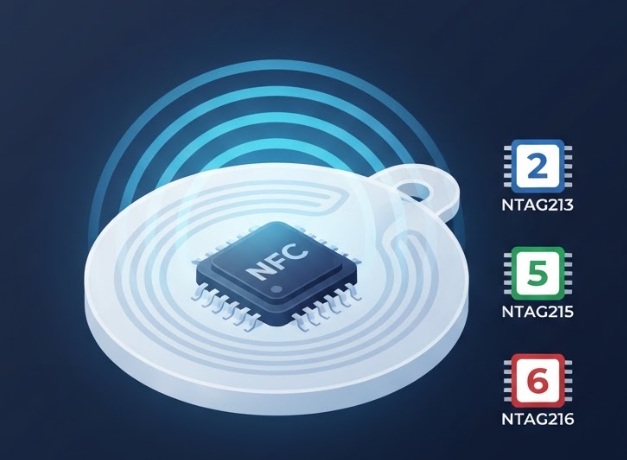
At the heart of this technology are NFC tags-tiny, inexpensive microchips connected to flat copper or aluminum antennas embedded in stickers, keychains, and PVC cards. Among the wide array of NFC chips available on the market today, NXP Semiconductors’ NTAG series-specifically NTAG 213, NTAG 215, and NTAG 216-has become the gold standard for consumer, commercial, and hobbyist applications.
If you are looking to create smart business cards, set up home automation triggers, or program Amiibo figures, you have likely encountered these three part numbers. This comprehensive guide will explore what NFC cards are, how they work, and the exact technical differences between the NTAG 213, 215, and 216 so you can choose the right chip for your project.
Part 1: What Is an NFC Card and How Does It Work?
What is NFC?
Near Field Communication is a subset of Radio Frequency Identification (RFID) technology that operates on the 13.56 MHz frequency band. Designed for secure, short-range communication, NFC typically requires devices to be within a few centimeters (about 1 to 4 inches) of each other to establish a connection.
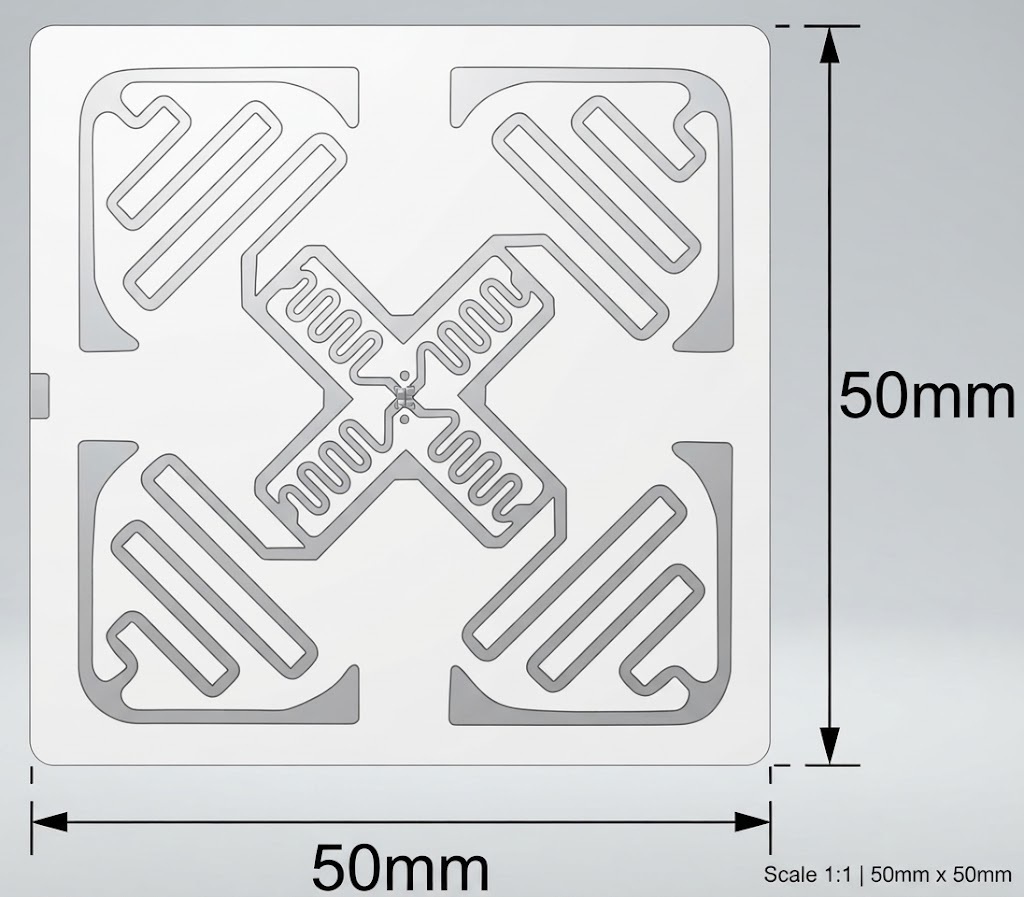
The Anatomy of an NFC Card
An NFC card or tag is a deceptively simple object consisting of two main components:
- The Antenna: A coiled loop of wire or printed conductive ink that captures radio waves and gathers energy.
- The Integrated Circuit (IC / Microchip): A tiny silicon chip attached to the antenna that stores data and executes basic security or memory commands.
How Does Power Transmission Work?
Unlike standard smart cards or payment cards that require internal batteries, standard NFC tags are passive devices. This means they do not have their own power source.
When you bring an active NFC reader (such as an iPhone or Android smartphone) close to an NFC card, the reader emits a constant radio frequency electromagnetic field. The copper antenna inside the passive card acts as an induction coil, harvesting energy from this magnetic field via electromagnetic induction. This tiny burst of harvested energy powers up the microchip for a fraction of a millisecond, allowing it to transmit its stored data back to the reader.
Part 2: Understanding the NXP NTAG Family
NXP Semiconductors is a global leader in secure connectivity solutions, and their NTAG product family was specifically engineered for mass-market applications like smart packaging, consumer engagement, gaming, and promotional marketing.
All chips in the NTAG 21x series comply fully with the NFC Forum Type 2 Tag specification and ISO/IEC 14443 Type A standards. This means they are natively readable by virtually every modern NFC-enabled smartphone on the market (both iOS and Android).
Key shared features across the NTAG 213, 215, and 216 include:
- Unique ID (UID): Every single chip comes with a factory-programmed 7-byte unique serial number, ensuring no two tags in the world are identical.
- Password Protection: An optional 32-bit password authentication system to prevent unauthorized rewriting or locking of the tag.
- Originality Signature: A cryptographic mechanism built into the hardware that allows apps to verify if the chip is an authentic NXP semiconductor or a counterfeit.
- Fast Read Command: Allows rapid reading of data blocks to streamline user experience.
- Data Retention: Designed to hold data safely for up to 10 years, with an endurance rating of 100,000 write cycles.
Part 3: Deep Dive - NTAG 213 vs. NTAG 215 vs. NTAG 216
The primary differentiator between the NTAG 213, 215, and 216 is memory capacity. However, memory size directly impacts what type of data you can store and what applications each chip is best suited for.
1. NTAG 213: The Lightweight Workhorse
- Total Memory: 144 bytes
- Usable User Memory: 144 bytes (after system configuration and capability container overhead)
- Best Suited For: Simple URLs, text strings, vCards, social media profile links, and basic automation triggers.
The NTAG 213 is the most common and cost-effective chip on the market. With 144 bytes of user memory, it can easily store a standard web URL (up to roughly 130 characters if encoded efficiently). If you are creating smart business cards that point directly to a Linktree or a website portfolio, the NTAG 213 is more than sufficient.
2. NTAG 215: The Gaming Standard
- Total Memory: 504 bytes
- Usable User Memory: 504 bytes
- Best Suited For: Nintendo Switch Amiibo emulation, vCards with extensive contact details, longer text payloads, and multi-action automation configurations.
The NTAG 215 hits the sweet spot for versatility. Most notably, NTAG 215 is the exact chip required to emulate Nintendo Amiibo figurines. Because a standard Amiibo dump file is roughly 540 bytes (utilizing 504 bytes of user data space), hobbyists exclusively use NTAG 215 NFC coins or cards to back up or create custom game figures. Additionally, it offers enough space for complex vCards containing multiple phone numbers, email addresses, and physical addresses.
3. NTAG 216: The Heavyweight Data Store
- Total Memory: 924 bytes
- Usable User Memory: 888 bytes
- Best Suited For: Complex data payloads, long encryption keys, multi-link menus, small digital certificates, and offline text storage.
The NTAG 216 is the high-capacity heavyweight of the trio. Providing nearly 900 bytes of usable memory, it can store extensive blocks of text, complex configuration profiles, or multiple serialized records. While it is more expensive than its 213 and 215 counterparts, it is the go-to choice when your application demands heavy data storage directly on the tag rather than pointing to a cloud-based URL.
Part 4: Comprehensive Comparison Table
|
Feature / Specification |
NTAG 213 |
NTAG 215 |
NTAG 216 |
|
NFC Forum Type |
Type 2 Tag |
Type 2 Tag |
Type 2 Tag |
|
ISO/IEC Standard |
ISO/IEC 14443 A |
ISO/IEC 14443 A |
ISO/IEC 14443 A |
|
Total EEPROM Size |
180 bytes |
540 bytes |
924 bytes |
|
Usable User Memory |
144 bytes |
504 bytes |
888 bytes |
|
UID Size |
7 bytes (Global Unique) |
7 bytes (Global Unique) |
7 bytes (Global Unique) |
|
Password Protection |
Yes (32-bit) |
Yes (32-bit) |
Yes (32-bit) |
|
Bit Counter |
Yes (16-bit) |
Yes (16-bit) |
Yes (16-bit) |
|
Nintendo Amiibo Compatible |
No (Too small) |
Yes (Standard requirement) |
Yes (Overkill, but works) |
|
Typical Web URL Capacity |
1 Standard URL (~130 chars) |
3-4 URLs or long vCard |
Large payload / multi-link |
|
Cost Profile |
Lowest |
Moderate |
Highest |
Part 5: Practical Applications and Choosing the Right Chip
When deciding which chip to purchase for your next project, consider the following real-world scenarios:
- Smart Business Cards / Social Sharing: Go with NTAG 213. A single link to your website, LinkedIn profile, or contact landing page fits comfortably within 144 bytes, keeping your material costs to an absolute minimum.
- Gaming & Collectibles (Amiibo): You must choose NTAG 215. Choosing an NTAG 213 will result in insufficient memory errors, while NTAG 216 will work technically but costs more without providing additional benefit for standard game dumps.
- Offline Data Storage / Secure Asset Tracking: Choose NTAG 216 if you need to store serial numbers, maintenance logs, or encrypted authorization tokens directly on the tag without relying on an active internet connection.
Conclusion
NFC technology bridges the gap between the physical world and digital experiences with a simple tap. Whether you are building automated smart-home routines, launching a digital networking revolution with smart business cards, or exploring gaming accessories, understanding the differences between the NTAG 213, 215, and 216 ensures you select the optimal balance of memory capacity and cost.